When the Barrel Overflows
Written by Nastassja Volkov · Psychologische Psychotherapeutin
Self-care is hardest exactly when we need it most.
When the calendar is full and every day feels overloaded, we tend to dive headfirst into the stress, or do the opposite: procrastinate, scroll. That the barrel eventually overflows is the most natural consequence. If something keeps pouring in but there’s no outlet, nobody can sustain that for long.
The first question I ask myself in those moments is a very simple one: are my basic needs met right now? Sleep, food, water, rest. When we’re under pressure, we forget the obvious things first.
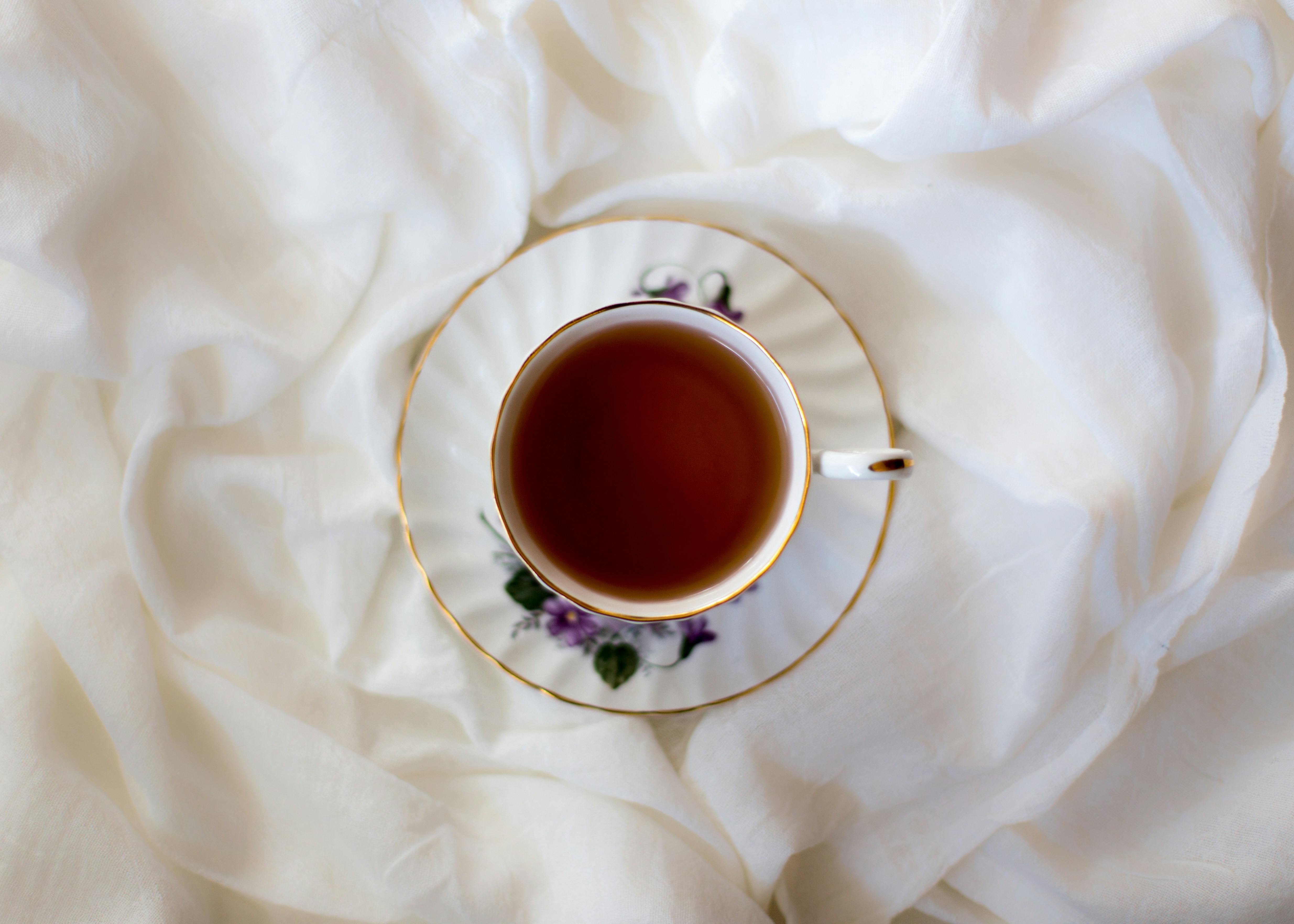
Once that’s checked, a concrete approach helps: a list of things that are good for me. Even small ones. A hot tea, ten minutes of music. The list lives somewhere visible, and I pick two things from it each day. Five minutes is enough.
What holds all of this together is self-compassion: the ability to be as kind to yourself as you would be to a good friend. I’ll write more about that soon.
Nastassja Volkov, Licensed Psychotherapist